Planetary transits are the movement of the planets through the zodiac signs. As the planets continuously move along their orbits, they gradually pass from one sign to another. That is, the motion of the planets is constant and as they move through the cosmos, they transit from sign to sign. Over time, each planet will ultimately pass through all the houses of a horoscope chart.
A birth, or natal chart is a snapshot of the positions of the planets at the time of birth. This is the chart you are born with and represents the blueprint of your life, personality and potential. However, the motion of the planets is constant, not stopping for a second, hence they continue to progress in their cyclical orbits past this exact time of birth.
In astrological parlance, a transit means any ongoing planetary movement relative to:
The zodiac signs.
The natal chart houses.
The natal planets.
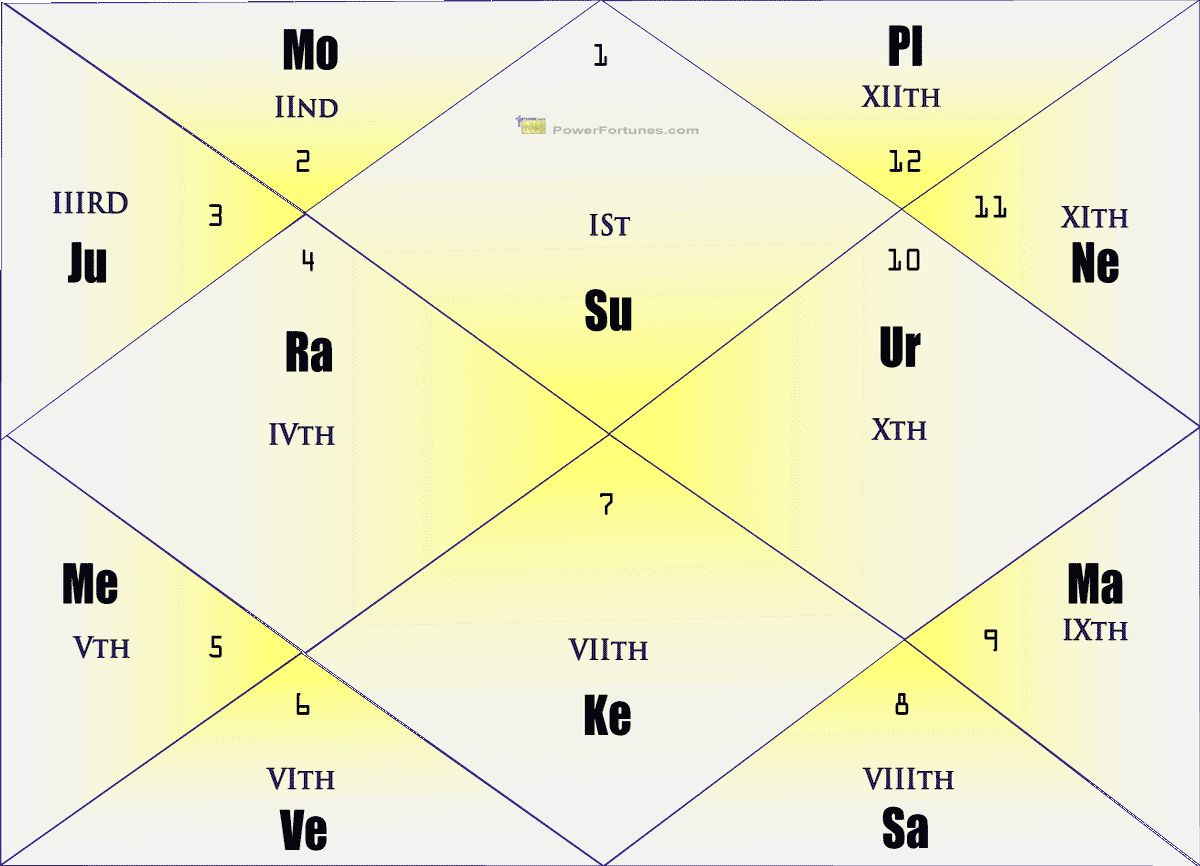
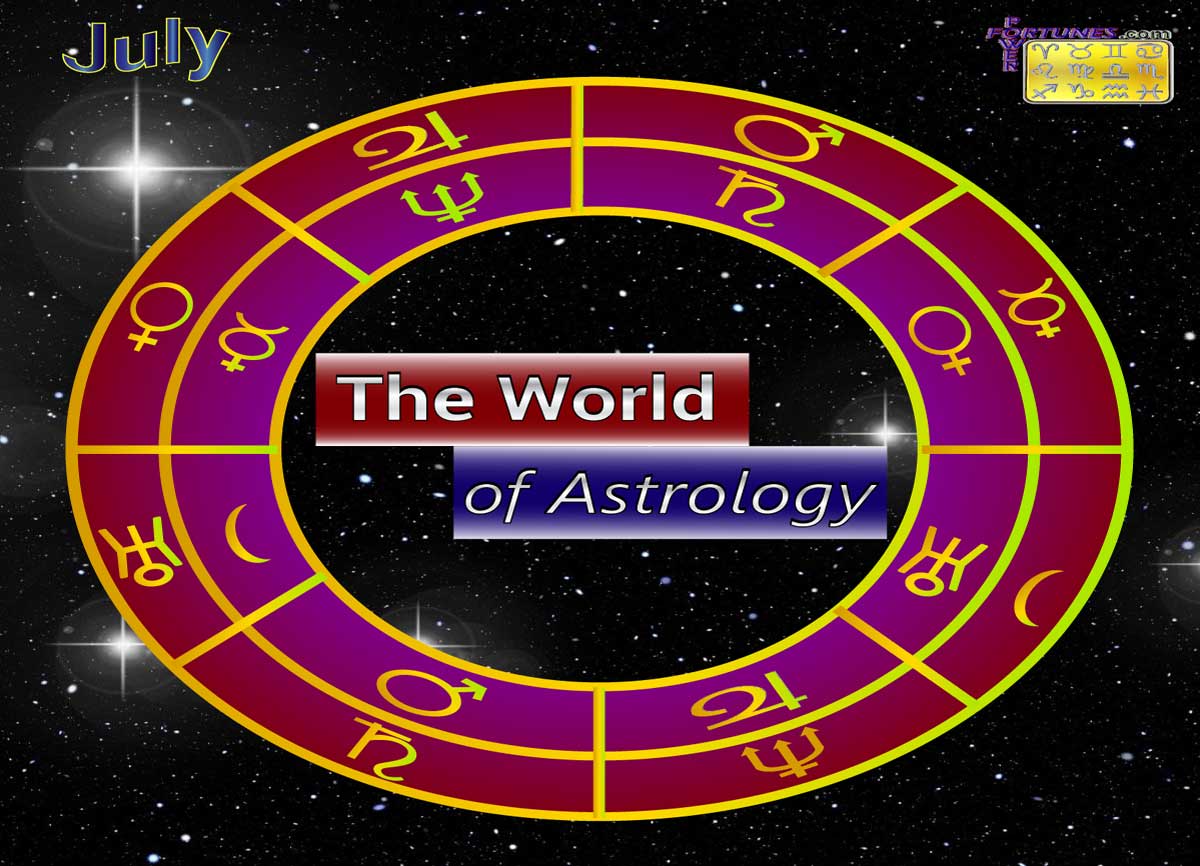
A transit chart follows this dynamic change of position, so whereas a planet may have been positioned in a certain house at the time of birth, it will continue to move through the horoscope, causing the ups and downs that we experience. The dynamic chart below shows the current planetary positions for each day of October.
A visualisation of the real time planetary transits in October 2026. At PowerFortunes, we use this type of proprietary data for many of our predictions.
Advertisement
The Astrological v/s Astronomical View
Astronomers also recognise and make use of the same planetary transits that astrologers do. That is, there is no difference with regards to the motion of the planets, for either discipline. So if the Sun is, say transiting through the zodiac of Taurus according to an astrologer’s horoscope chart, as it is at the time of publication of this article, there will be no argument on this account from the scientists at NASA. The difference lies not in where the planets are, but in how their positions are calculated and referenced.
Astronomically, the planets follow heliocentric orbits, that is they revolve around the Sun, and a transit specifically means one body passing across another. When an astrologer talks about a transit, they are referring to the apparent position of a planet relative to the Earth, against the background of the zodiac constellations, as the planet transverses its orbit. So while astrologers and astronomers may agree on the position of the planets, they differ in their understanding of the term 'Transit'.
In astrology, the Sun and Moon are also considered to be planets of influence and the paths that all astrological planets trace are:
Independent of each other.
Essentially geocentric, where the Earth is the centre of this path.
Popular Customer Choices »These talismans are a favourite choice with many customers:
✔ Stay In TouchJoin PowerFortunes.com'sNewsletter subscription. Never miss our best Articles, Predictions and Offers.
Advertisement
However, the biggest technical distinction lies in the zodiac systems, as in astrology there are two schools of thought on the matter, and both differ from astronomy.
The Sidereal Zodiac: This is used in Vedic astrology, aligns with astronomical constellations and is based on the actual star background.
The Tropical Zodiac: This is used in Western astrology. It is tied to the Earth’s seasons and equinoxes. This zodiac does not align with the current astronomical constellations.
The tropical and sidereal zodiacs differ by about 24°, owing to the precession of the equinoxes.
Astrological Anomalies
The paradox of the astronomical orbit of the Earth around the Sun, and the Sun’s own astrological transits, gives rise to the exclusively astrological phenomena of:
Retrograde Motion:
This is the apparent backward movement of planets as observed from Earth, where the planets appear to move backwards, stop and then resume forward motion. Astronomically, there is no such change or reversal of orbital direction.
On the other hand, the Sun and Moon move continuously forward through the zodiac from the geocentric perspective of astrologers. Hence their apparent motion never reverses, and they have no retrograde periods.
The Sun completes one circuit of the zodiac in approximately 365 days.
The Moon completes one circuit in approximately 27.3 days (sidereal) or about 29.5 days (synodic cycle).
Rahu and Ketu are mythical Vedic planets, which are always treated as retrograde, because they are lunar nodes rather than physical planets.
Varying planetary speeds:
As both the Earth and the other planets orbit the Sun at different distances and speeds, their apparent motion against the zodiac changes. This can cause planets to:
Speed up in direct motion, the opposite of retrograde.
Slow down.
Appear stationary (stationing).
In the dynamic chart above, retrograde motion, the varying speeds and strengths (in degrees) of the planets can be observed, as they transit through the zodiac.
Advertisement
Why Do Transits Matter?
Transits are an essential part of astrological predictions, because they relate to the past, present and future.
Past Events
An astrologist can cast the chart for an important past event, to get an insight on which planets may have led to the event occurring, according to their house/sign placements, at that exact point in time.
Horary Astrology
In this form of astrology, a chart is cast at the specific time at which a question is asked. The position of the planets will then reveal to an astrologist conversant in horary astrology, what the outcome of the question will be.
Future Events
An astrologist can cast a chart for any point in time in the future, and correlate the future positions of the planets with those of a birth chart. When this is analysed along with the prevailing planetary periods, a definite determination about future events can be made. This is why transit charts are often considered vital for making predictions about the future.
Generic Horoscopes
The generic zodiac sign predictions that you find throughout the internet, are, or at least should be based on transit charts. So for instance, the zodiac sign predictions that you find on PowerFortunes.com, are based on the influence of the planets that occupy the twelve different signs on a particular day. In the case of such predictions, the house of the sign being analysed is taken as the ascendant, and all other houses are read accordingly. Therefore, although these are termed as ‘Generic’ predictions, they are based on actual planetary placements and hence still offer a fair degree of accuracy.
Alternative Astrology
A small number of modern astrologers experiment with alternative models of astrology, where the Earth is treated as just another planet, dispensing with the geocentric model. As a result, astrological inconsistencies such as retrogrades disappear and planetary relationships look quite different. These approaches are specialised and relatively uncommon. Examples of this include:
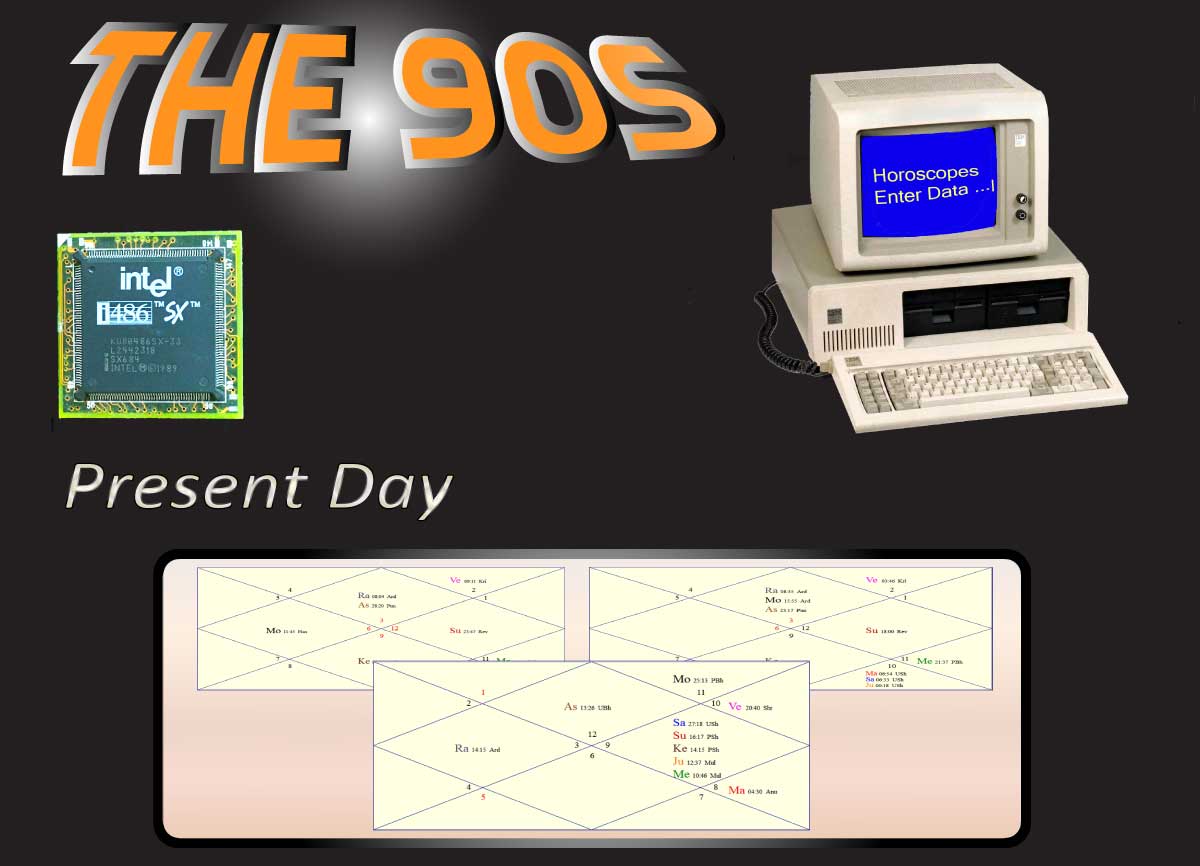
Decoding Astrology and Computers We live in a technology driven, age of information, and astrology is a form of information that is thriving on the availability of processing power.
Latest Astrology News, July 2026 All the News stories about Astrology, for July 2026. The Latest Updates, Events and Recent Happenings related to astrology and the planets. Much more than your boring July horoscope predictions.
We and selected partners use cookies or similar technologies as specified in our privacy policy. Browsing, engaging or any other use of this webpage will be deemed as acceptance of the terms of our privacy policy.
Page Last Modified On:
✖
Astrologers Online
Chat with an live astrolger for an online prediction. (Charges may apply.)
PowerFortunes.com Customer Service
Contact Online Customer Support →
For support with orders and enquiries, click on the chat bubble when it appears.